
If you're facing a bite a previous dentist flagged as needing correction, we check who's actually open in Alburtis, PA right now for this exact procedure — not just listed online.
Call and a coordinator checks live openings with a specialist while you're on the line.
+1-866-227-2801
Clear aligners move teeth through a series of custom trays, each one nudging your bite slightly closer to its final position than the last. A digital scan replaces the old impression goop, mapping your teeth in minutes and generating a preview of the full treatment before you agree to anything.
Aligners handle a wide range of cases these days, though a provider will say upfront if brackets are the better fit for yours. They only work if worn roughly twenty-two hours a day, out just for eating and brushing — the trays don't do the work by sitting in a drawer.
For teeth needing more than simple tipping, small bonded attachments act as anchor points the aligner pushes against. That planning happens upfront, so you know from day one which stages include attachments.
Intraoral scanners replace the old goopy impressions for a faster, more accurate starting point.
You see a simulation of your projected final smile before ordering a single tray.
If teeth need extra adjustment partway through, that's typically already accounted for in the plan.
Trays come out for meals and photos, but results depend on hitting the twenty-two-hour target.
Our network specialists cover the full range of this procedure, from the routine case to the complicated one.
Your provider walks through the simulated movement stage by stage during the consult.
Crowded front teeth are one of the most common cases aligners successfully resolve.

Front-tooth gaps typically close over a series of tray changes spaced roughly two weeks apart.
Certain overbite and underbite cases respond well to aligners when caught before they're severe.

Minimal enamel reshaping between teeth sometimes creates the space alignment requires.
A custom retainer holds your new alignment in place once the active tray series finishes.
You describe what's going on in a minute or two; no automated menu to fight through first.
We match you with a nearby specialist experienced in this exact procedure and check real-time openings.
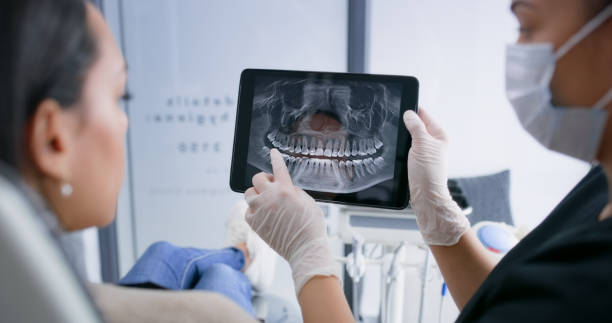
The specialist examines your case, often with same-visit imaging, and gives you a cost estimate before starting anything.
You leave with the issue addressed and next steps already scheduled if needed.
"Explained every step and the cost before doing anything. First visit that didn't feel rushed."
"Didn't have to wait weeks like my old dentist. Got routed straight to a specialist who knew what to do."
"Was honest that the closest office was full and got me into a nearby one instead of leaving me stuck."
Mild cases can wrap up in as little as six months; more involved crowding can take a year or more.
Aligners generally cause milder, shorter pressure discomfort than the tightening soreness of braces.
Consistent wear in that twenty-to-twenty-two-hour range is what keeps treatment on schedule.
Crowns and fillings don't automatically rule you out; the simulation accounts for them.
Depending on your stage, moving to the next tray or getting a replacement made are both options.
Pricing scales with how many trays your case requires, laid out before you commit to treatment.
We keep a live list of specialists across Alburtis and the surrounding zip codes, so a nearby, open provider is already in our network.
Every provider in our PA network carries an active, checked license.
A short call is all it takes to get this on the calendar this week.
Call +1-866-227-2801 Now